
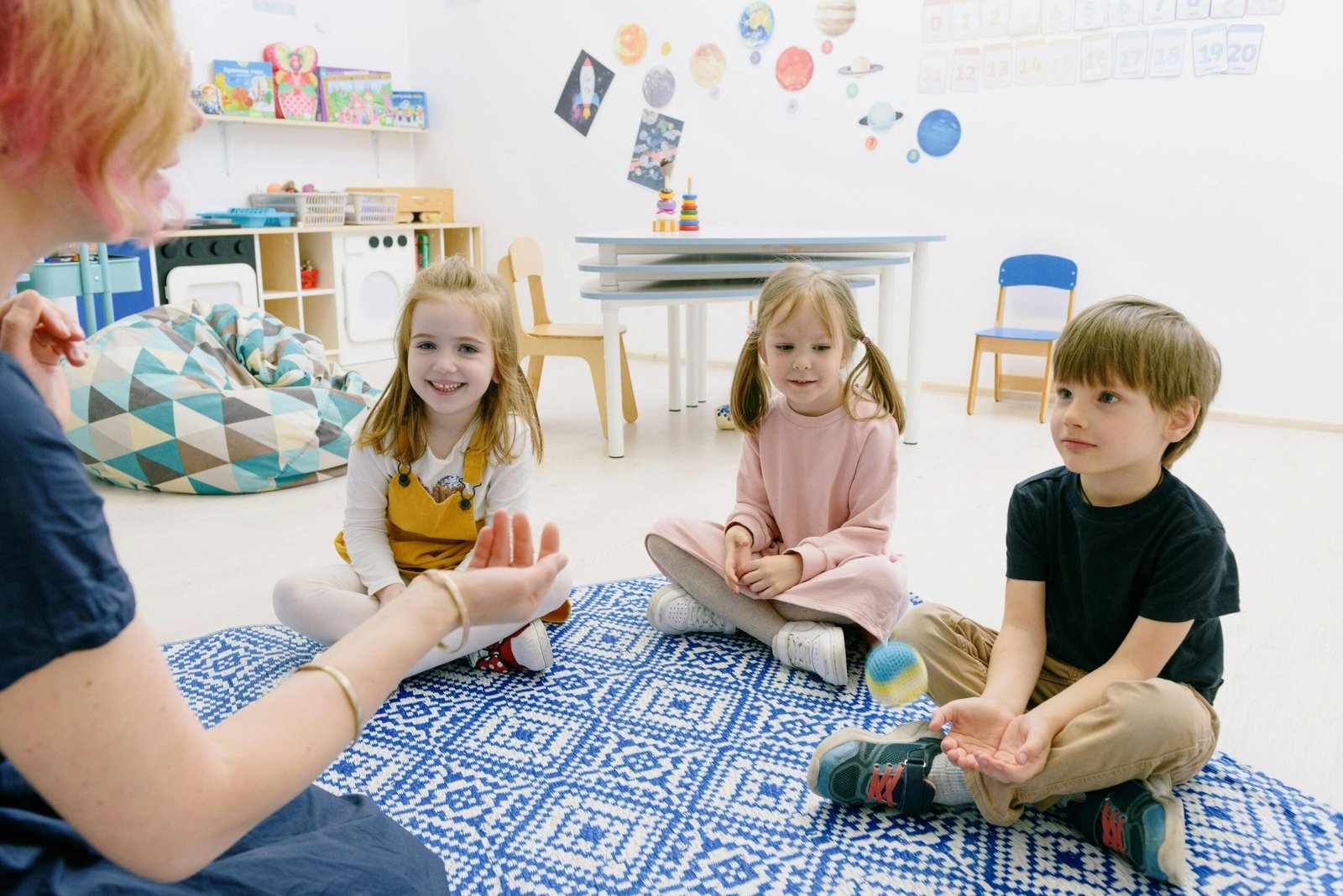
In 2026, the traditional image of a classroom—rows of desks and a single chalkboard—has been replaced by a dynamic, intelligence-driven ecosystem. We have moved past the “experimental” phase of apps and gadgets into an era where technology is the foundational infrastructure of learning.
Here is how technology is reshaping the educational landscape this year.
1. AI-Powered Hyper-Personalization
The “one-size-fits-all” curriculum is effectively a thing of the past. In 2026, AI has moved from a novelty to a necessity, functioning as a “digital mentor” for every student.
- Adaptive Learning Paths: Platforms now use real-time analytics to adjust the difficulty and pace of lessons moment-to-moment. If a student struggles with a specific math concept, the system detects the gap immediately and pivots to an alternative explanation or a prerequisite refresher.
- AI Tutors (24/7): Every student has access to an AI tutor, like Khan Academy’s Khanmigo or Google’s LearnLM, providing instant feedback on essays and complex problem-solving without needing to wait for a teacher’s office hours.
2. Immersive “Experience-Based” Learning
Virtual and Augmented Reality (XR) have transformed classrooms into “time machines” and “microscopes.”
- Virtual Science Labs: Schools are increasingly using VR to conduct high-stakes experiments—like chemical reactions or surgeries—in a risk-free environment.
- Historical Immersion: History lessons no longer rely solely on textbooks; students can virtually walk through 3D-modeled ancient cities or witness historical events as they happened.
- Accessibility: AR overlays allow kinesthetic learners to manipulate 3D models of molecules or machinery, making abstract concepts tangible.
3. The Evolution of the Teacher’s Role
Technology isn’t replacing teachers; it’s liberating them.
- Learning Architects: By automating administrative tasks—like grading, attendance, and lesson planning—teachers have reclaimed 5–10 hours per week. This time is now spent on mentorship, emotional support, and facilitating high-level critical thinking discussions.
- Data-Driven Interventions: Instead of waiting for a midterm to see who is falling behind, teachers use real-time dashboards to identify at-risk students instantly, allowing for immediate human intervention.
4. Skills-Based Learning and Blockchain Credentials
The focus of education is shifting from “graduation” to “readiness.”
- Micro-credentials: Students are increasingly earning “stackable” digital badges for specific skills (like Python coding or project management) rather than just broad degrees.
- Blockchain Portfolios: These credentials are often stored on a blockchain, creating a permanent, tamper-proof digital record that employers can verify instantly. This connects classroom learning directly to workforce demand.
5. Democratization and Global Classrooms
Cloud-based platforms have broken down geographical barriers.
- Real-Time Translation: In 2026, students in a village in Kenya can participate in a live project with peers in Tokyo, thanks to seamless AI-driven language translation in virtual classrooms.
- Hybrid Maturity: Hybrid models are no longer a “backup plan” but a strategic choice, allowing for “flipped classrooms” where lectures are consumed as micro-content (5-10 minute bursts) and class time is reserved for hands-on application.
The Reality Check
While the potential is massive, 2026 also faces the “Digital Divide.” Success depends heavily on ensuring low-bandwidth and offline access for rural and low-income areas, making equity the most critical challenge for education leaders this year.