
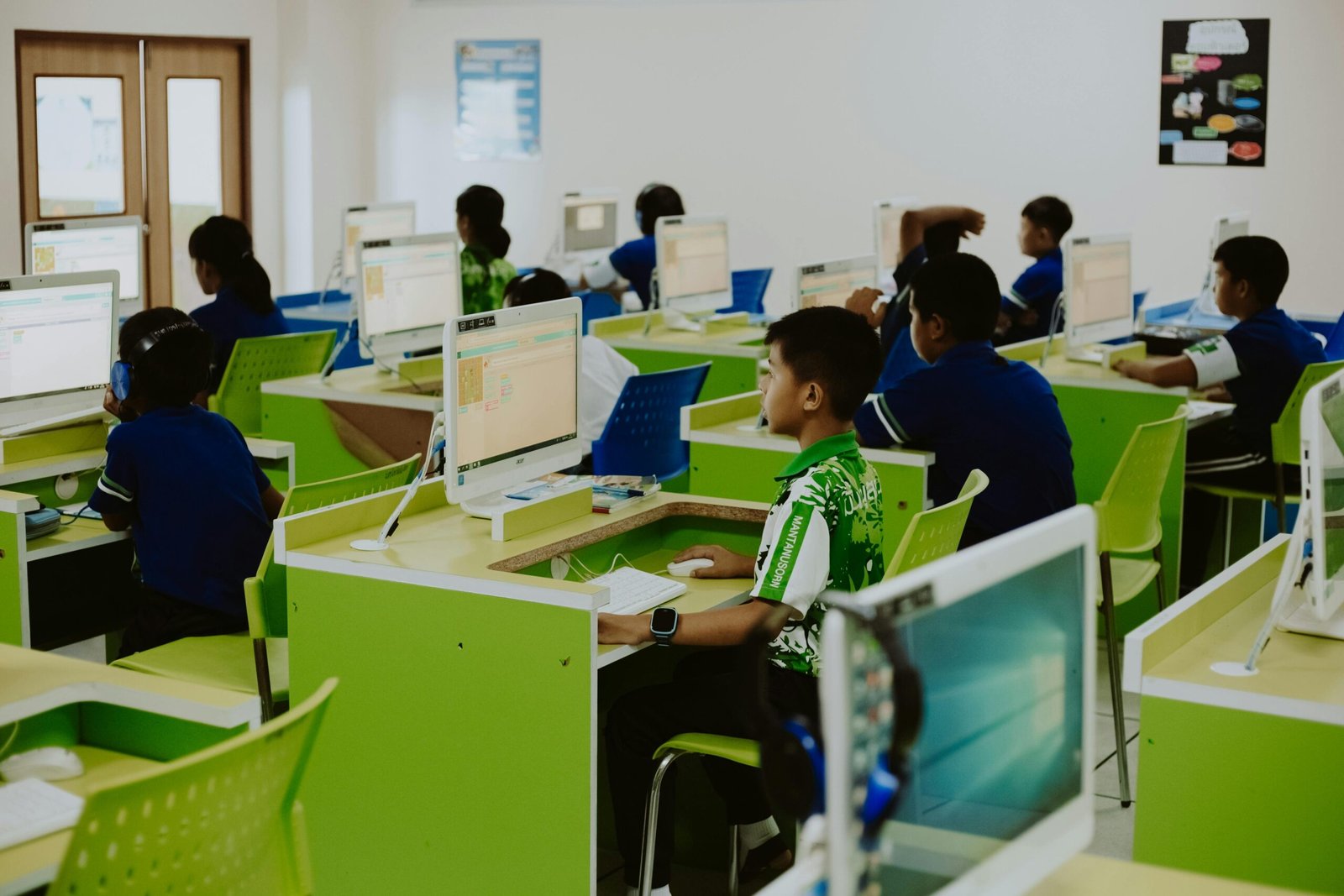
In 2026, we are looking at the five-year “aftershock” of the COVID-19 pandemic. While the immediate crisis of school closures has passed, the pandemic fundamentally rewrote the DNA of global education.
The impact can be categorized into three main areas: the Learning Crisis, the Digital Leap, and the Structural Evolution.
1. The Learning Crisis (The “COVID Gap”)
The most visible impact is the significant decline in academic proficiency, which experts estimate will take nearly a decade to fully recover.
- Average Learning Loss: On average, students globally lost between one-third to a full year of learning. In 2026, reading scores remain a primary concern, while math scores have shown a slightly faster “modest recovery.”
- The Inequality Trap: The gap between high- and low-income students has widened. Disadvantaged students, who often lacked high-speed internet or quiet study spaces during lockdowns, are now roughly half a year further behind their more affluent peers than they were in 2019.
- Economic Toll: Estimates suggest that this generation of students risks losing up to $17 trillion in lifetime earnings due to interrupted foundational learning.
2. The Digital Leap & Hybrid Maturity
If the pandemic had a “silver lining,” it was the forced acceleration of digital infrastructure.
- Hybrid as the Standard: What was once a “backup plan” is now a strategic choice. Many universities and secondary schools in 2026 use a “70/30” model: 70% in-person for collaboration and 30% online for self-paced lectures.
- EdTech Saturation: Tools like AI tutors, VR history simulations, and automated grading—which were experimental in 2019—are now standard classroom infrastructure.
- Access vs. Quality: While more students have devices than ever before, the focus in 2026 has shifted from providing tech to optimizing how it’s used to prevent “metacognitive laziness” (relying on AI to do the thinking).
3. Structural & Social Shifts
The pandemic changed the “social contract” of education.
- Teacher Crisis: The profession saw a massive exodus. In 2026, schools are grappling with severe shortages, leading to the rise of AI-assisted teaching to help one teacher manage larger or more diverse groups.
- Social-Emotional Focus: Schools are no longer seen purely as academic hubs. There is a permanent, increased investment in mental health services, with many schools now employing as many counselors as they do specialized subject teachers.
- The End of “Rigid” Schedules: Many systems have adopted more flexible “WIN” (What I Need) blocks, where students have dedicated time during the day to work on personalized recovery or advanced projects.
Global Impact Summary 2026
| Region | Major Impact/Trend |
| High-Income (US/UK/EU) | Focus on “High-Dosage Tutoring” to recover lost ELA/Math ground. |
| Middle-Income (India/Brazil) | Massive rise in EdTech and mobile-based learning apps. |
| Low-Income (Sub-Saharan Africa) | Struggle with “Learning Poverty”; focus on foundational literacy. |