
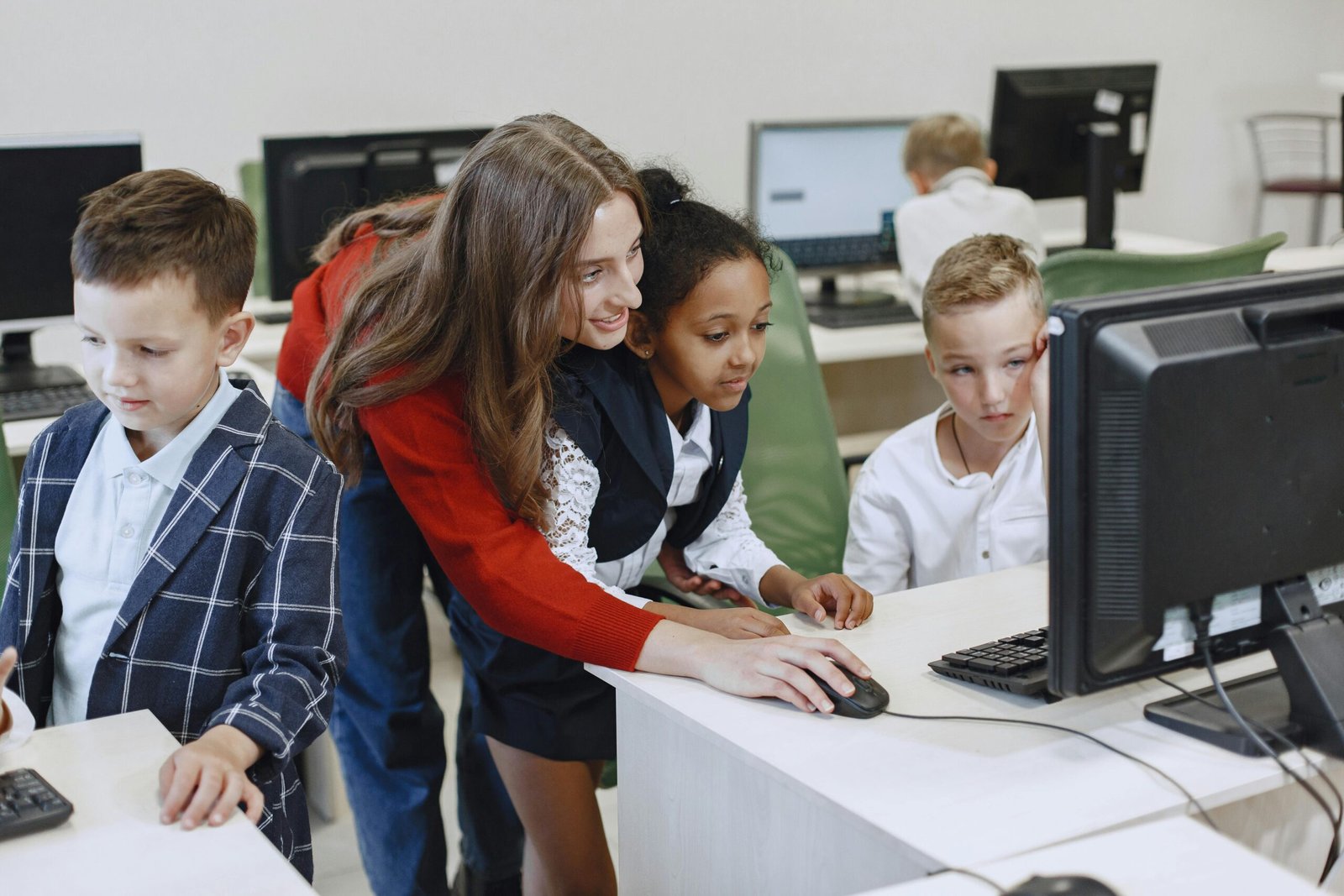
In 2026, the shift from “standardized” to “personalized” learning is the most significant advancement in education. AI is no longer just a tool; it acts as a cognitive partner that tailors the educational journey to the individual learner’s unique “knowledge profile.”
Here is how AI is specifically driving personalized learning this year.
1. The “Infinite Patient” AI Tutor
The modern classroom (and home study space) now features Intelligent Tutoring Systems (ITS). Unlike a human tutor who is limited by time, an AI tutor:
- Adjusts Explanation Style: If a student doesn’t understand a physics concept via a text explanation, the AI can instantly generate a visual simulation or a real-world analogy based on the student’s personal interests (e.g., explaining velocity using a favorite sport).
- 24/7 Socratic Dialogue: Instead of just giving answers, AI tutors are programmed to ask guiding questions, helping students arrive at the solution themselves—a method that has shown to increase deep conceptual retention by 30%.
2. Real-Time Adaptive Learning Paths
The “curriculum” is now a living document. AI-driven platforms (like the 2026 versions of Khan Academy or Pearson) utilize Adaptive Sequencing:
- Dynamic Scaffolding: If a student misses a question on “Linear Equations,” the system doesn’t just mark it wrong. It identifies the exact missing prerequisite skill (like “Negative Numbers”) and pauses the current lesson to provide a targeted 5-minute refresher.
- Optimal Difficulty (The Flow State): The AI ensures students are always in the “Goldilocks Zone”—not so bored that they disengage, but not so challenged that they become frustrated.
3. Sentiment & Engagement Analytics
In 2026, AI has moved beyond analyzing what a student knows to how a student feels.
- Affective Computing: Using webcam analysis (with strict privacy opt-ins) or interaction patterns, AI can detect signs of frustration, boredom, or fatigue.
- Proactive Interventions: If the system detects a student is struggling with a high cognitive load, it may suggest a “brain break” or pivot to a more gamified, interactive version of the content to regain engagement.
4. Automation for Teacher Mentorship
AI is effectively “multiplying” the teacher. By automating the heavy lifting of personalization, teachers can focus on the human elements of education:
- Automated Differentiation: Instead of a teacher spending hours creating three versions of a lesson plan for different ability levels, AI generates these instantly, allowing the teacher to spend class time on 1-on-1 coaching.
- Predictive Dashboards: Teachers receive daily “Early Warning” alerts identifying which students are likely to struggle with next week’s topic based on their current progress.
The 2026 Challenge: Data & Ethics
While AI offers unprecedented personalization, it brings new responsibilities:
- Algorithmic Bias: There is an ongoing effort to ensure AI models don’t “pigeonhole” students into lower-track paths based on historical data or demographic biases.
- Data Sovereignty: Schools are now utilizing On-Device AI (Edge Computing) to process student data locally, ensuring that personal learning habits aren’t stored in massive, vulnerable cloud databases.
Perspective Shift: In 2026, we’ve stopped asking “Can AI teach?” and started asking “How can AI help humans learn more deeply?”